Quick Start Guide for SACRE Chairs
The appointment of the Chair
As SACREs are bodies appointed by the local authority, in principle the local authority has the right to appoint the Chair of SACRE. Where the local authority decides not to exercise this right, SACREs appoint their own Chair. The agreement about this at a local level, including the process for the appointment of the Chair of your SACRE, and the eligibility of candidates, should be clearly set out in the SACRE’s Constitution. Where the SACRE’s Constitution shows the Chair can be elected, the SACRE needs to have an open and fair process for making this appointment.
The roles of the Chair
There are a number of key roles that the Chair performs, grouped under three broad headings:
• Specific
• General
• Strategic
Specific
The specific role of the Chair is to ensure that the SACRE fulfils its statutory duties and responsibilities. To do this the Chair will need to have a clear grasp of the nature and make‑up of SACRE, what it is responsible for and what it can do beyond its statutory functions. The Chair should also take a leading role in SACRE’s on‑going process of self‑evaluation and development.
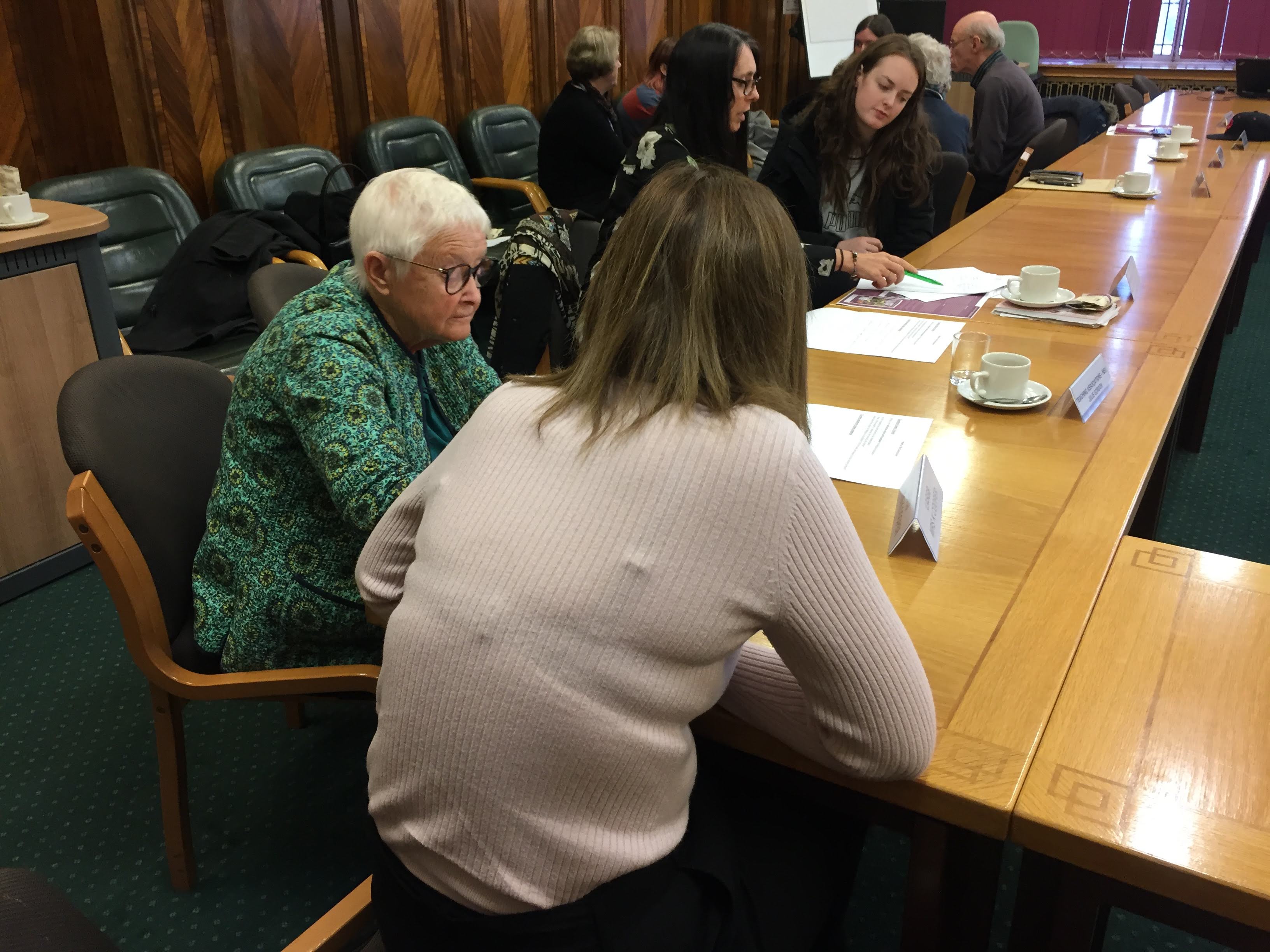
During SACRE meetings it is the responsibility of the Chair to ensure the smooth and efficient running of the meeting. This includes making sure that the business of the meeting is dealt with and that all members can participate and contribute fully. The Chair also has the responsibility to decide on any involvement from non‑members who are present, for example, experts who might be brought in to advise SACRE on a specific matter pertinent to an agenda item being discussed; likewise, if it is deemed necessary, to decide when someone should be asked to leave the meeting or be removed from it.
General
The Chair of SACRE is responsible, with the clerk and the professional officer, for constructing the agenda for each meeting. This includes deciding on items where the press and public might need to be excluded if they are present.
In the meeting, it is the Chair’s role to sign the minutes of the previous meeting as a true and accurate record as well as to ensure that any actions resulting from the minutes have actually taken place. If the Chair needs a mandate to act on SACRE’s behalf before the next meeting, that should be sought at the meeting being chaired.
If there are issues relating to inefficiencies in the timeliness of notice for meetings, the publication of agendas and reports, the provision of funding or support or the venue of SACRE’s meetings, it is the Chair’s place to bring this up with the most senior paid official of the local authority.
Strategic
In many ways the Chair of SACRE is its public face and may be asked to represent SACRE at Council meetings or public events, including interfaith events. In this way the Chair of SACRE becomes a champion for religious education and collective worship in the local authority and its schools.
Therefore, it is important that the Chair of SACRE has a clear understanding of the nature of RE and collective worship and how that affects different schools in different ways, the role that RE and collective worship play in a broad and balanced education and their contribution to pupils’ spiritual, moral, social and cultural development. Beyond understanding these, a good and effective SACRE Chair needs to believe in the positive contribution of these elements of education in the development of each pupil and of society. The Chair also needs to be committed to ensuring the inclusive involvement of all SACRE members and the constituencies that they represent.

Key tasks
Ensure that:
• a clear timetable of meetings for the year is agreed and publicised
• membership of the SACRE is efficiently maintained, i.e. that the four groups of SACRE have appropriate representation, with good attendance and participation
• SACRE produces guidance to support the local authority and its schools with regard to religious education and collective worship
• an annual report is produced each year and sent to the Secretary of State as required by statute
• SACRE members have a programme of training and, when necessary, induction
• there is a Vice or Deputy Chair if the Chair is unable to make a meeting
• where there is an agreed code of conduct, that it is adhered to by all SACRE members
Legislation relating to SACREs
You might find it useful to familiarise yourself with the legislation around SACREs.
Education Act 1996
The Religious Education (Meetings of Local Conferences and Councils) Regulations 1994